

Dandelions

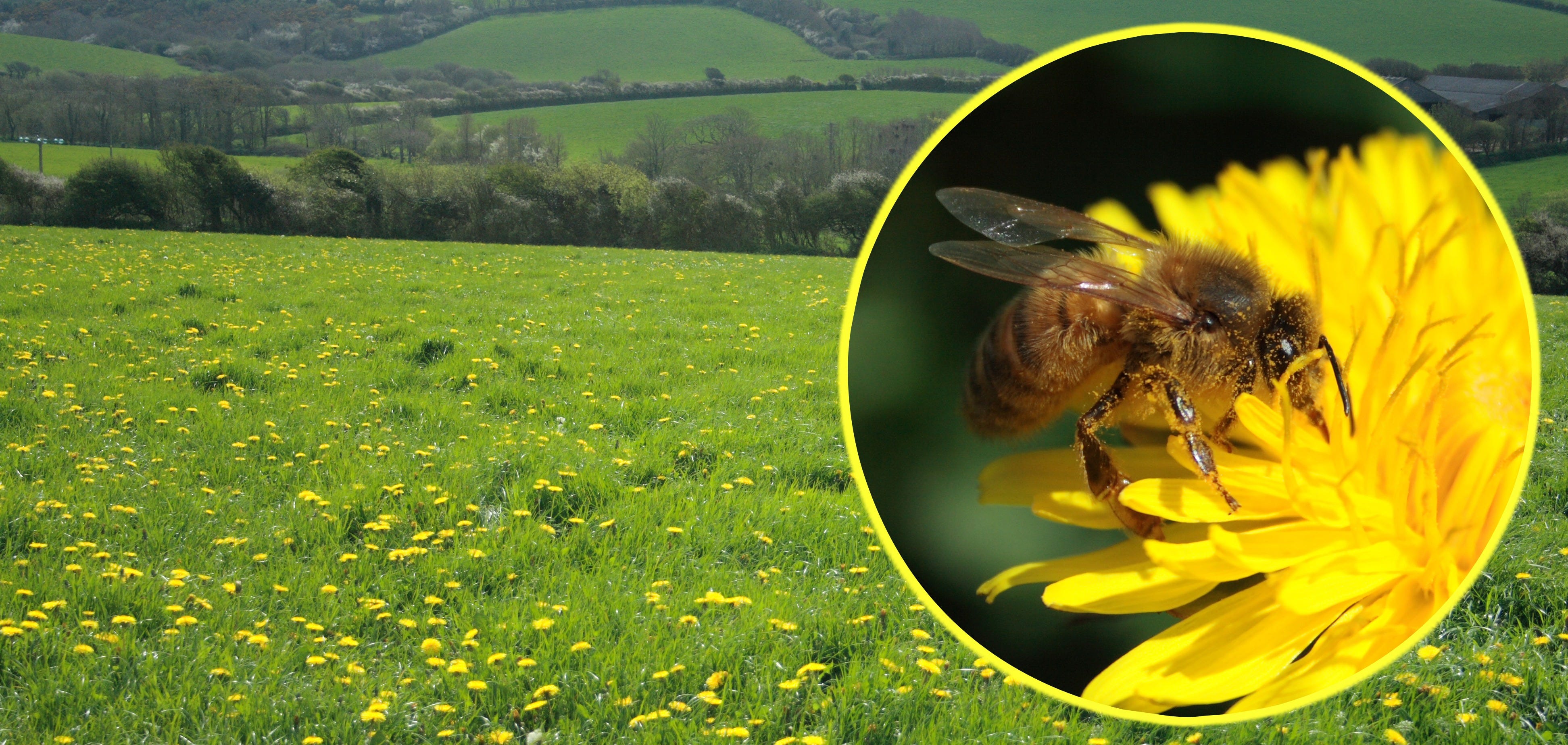
I’m very fortunate that most of my working life is spent in close connection with nature. Bees are inseparable from the world around them and through keeping them I have always enjoyed learning about that world and trying to understand it.
While I value knowledge and science, I value even more those moments that seem to bypass intellect altogether and pass directly from the senses to feeling - something as simple as seeing a dandelion flower on a sunny spring day.
For some people, a dandelion is hardly worth noticing. It is just a common flower, so ordinary that it almost disappears through familiarity. It grows where it pleases, in lawns, cracks in paving, rough pasture, roadsides and neglected corners. Maybe because it is everywhere it is often dismissed as no more than a weed. Many people’s first instinct is to remove it. Yet if you stop for a moment and look at one properly, it becomes difficult to understand why something so beautiful could be treated with contempt.
A single dandelion flower is a remarkable thing. What appears at first glance to be one flower is actually a composite of many tiny florets packed together into a perfect golden disc. At night or on a cool grey day they can remain tightly closed to protect their nectar and pollen but when the sun appears they open fully and suddenly seem to glow from within and for me, seem to be the embodiment of sunlight in a physical form. There are not many flowers that can make a patch of ordinary ground appear illuminated but dandelions can.
Perhaps part of their appeal lies in their timing. They arrive early in the year, often when winter has only just loosened its grip. At a time when the floral landscape is still dull, before the hedgerows have fully leafed and before the advent of all the summer wildflowers have begun in earnest, dandelions are starting to appear. For me, they are among the first clear signs that spring is no longer just hoped for but has actually begun. After months of muted browns and greys, that sudden yellow can feel disproportionally cheering. It is not just the flower itself but what it represents.
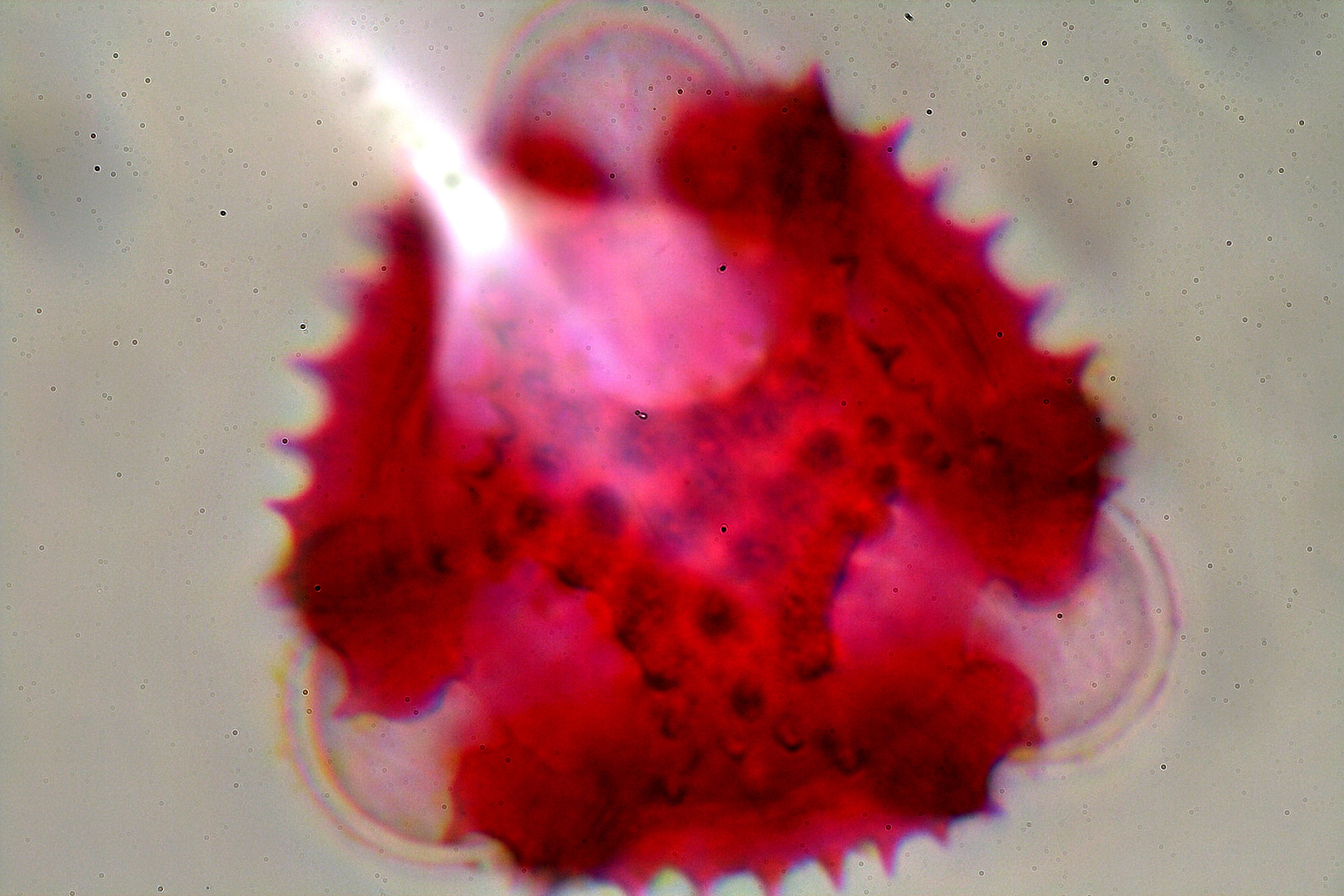
For bees, of course, dandelions are far more than cheerful. They are one of the important early sources of both nectar and pollen. On warm spring days the flowers can be alive with activity. Honey bees work them steadily, often joined by bumblebees, solitary bees, hoverflies and countless other insects. The bright orange pollen packed onto the hind legs of returning workers is unmistakable. That visible sign is also often apparent in the hive. Dandelion pollen contains a strong carotenoid pigment and countless thousands of little bee feet track it everywhere within the hive that temporarily stains the woodwork and the beeswax honeycomb. While the visible signs of the bees working the pollen source are there, we have never seen a resulting honey surplus. Certainly it might contribute to anything that might be stored as savings but at this time of year most income is quickly spent on the production of more bees to build their population in readiness for summer. That said, we have occasionally seen the obvious deep yellow dandelion nectar in the comb. There was a time when we always took the opportunity to taste unusual nectars or honey when we knew what the bees were working. Besides being a beautiful colour, dandelion honey would be one that we would give a miss - bitter, almost astringent with a similar ‘green leaf’ taste to eating the dandelion leaves that I find unpleasant. Of course, this was tasting what would have been partially processed nectar and it might have improved with age.
The relationship between bees and flowers can easily become reduced to biology, when you spend enough time studying it, with explainers about ultraviolet guides, nectar rewards, pollen transfer and co-evolution. While a scientific explanation might be considered reductionist, it does not make the thing less beautiful. If anything, for me, understanding often deepens the appreciation.
The sight of the seed head can also trigger something almost Proustian. In that instant I am back to my childhood, to the simple wonder of blowing gently and watching the seeds lift and fly away. Layered over that memory are more, remembering when my own children were young and doing exactly the same with the same instinctive delight. A small ritual of childhood repeating itself from one generation to the next. It is remarkable how a plant so common can represent so much.
I might be prepared to feel something in dramatic places beside the sea or on clifftops near to where I live but not while walking past a patch of grass beside a path. Yet sometimes it is these ordinary things that reach me most directly because they arrive without expectation. A dandelion does it for me every time. For a brief second, if I allow it, it stops the constant movement of thought and reminds me that noticing can be enough.
Perhaps that is one of the many lessons that bees have taught me. Spending enough time around them changes the way you look at small things. You begin by watching bees and eventually find yourself paying more attention to the flowers, the trees, the weather, the soil and the turning of the season itself. The bees lead you outward into a wider awareness of everything they depend upon and sometimes that awareness settles on something as simple as a dandelion in spring sunshine.
A flower most people never notice and yet in just a moment it gives me a joy that lasts much longer.